
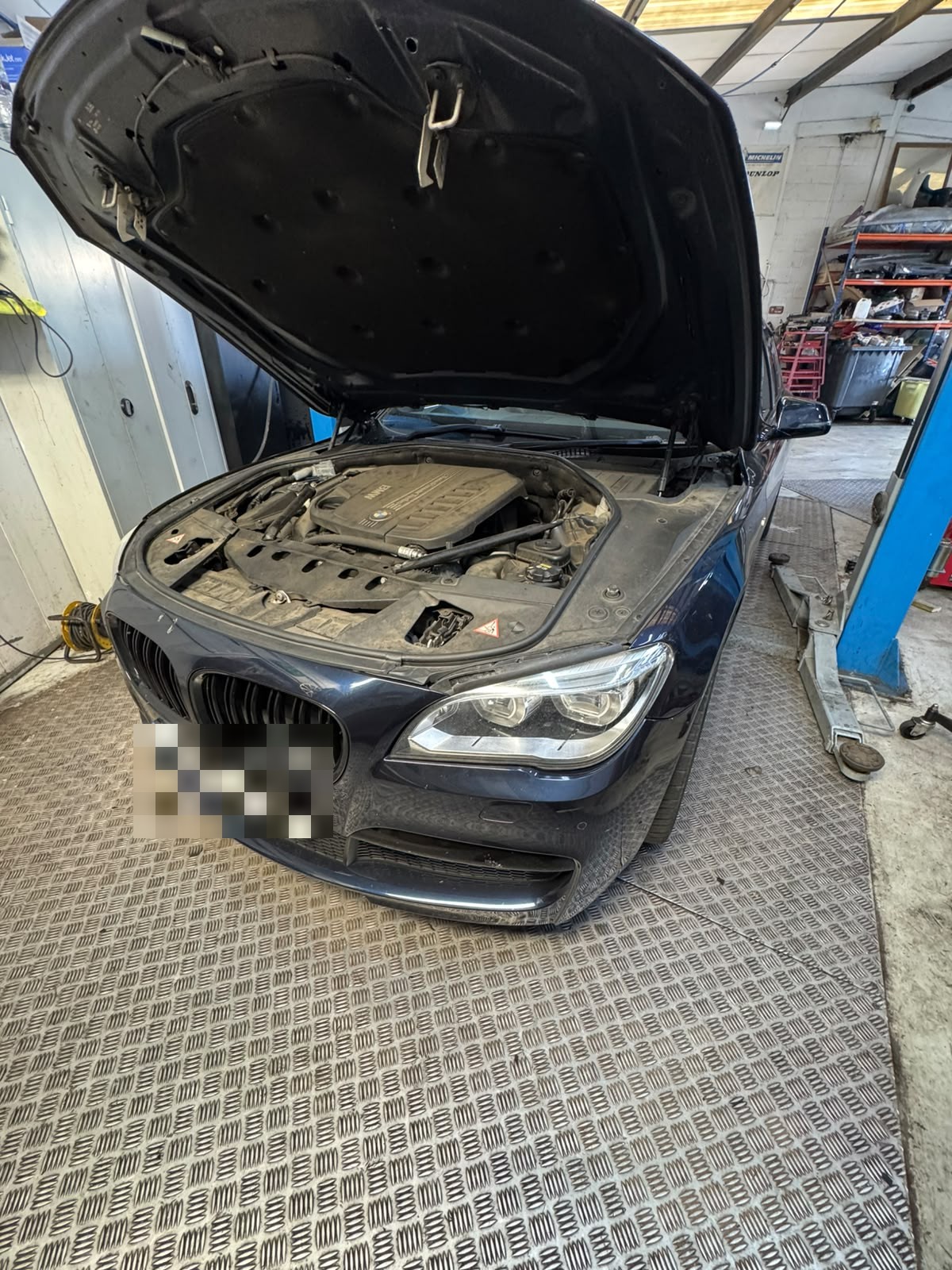
Does your BMW rattle for a second or two when you first start it cold? That noise is worth taking seriously. The timing chain is one of the best-known BMW weak points — here’s what’s happening and why acting early can save you thousands.
What the timing chain actually does
The timing chain keeps the top and bottom of the engine perfectly synchronised — it links the crankshaft to the camshafts so the valves open and close at exactly the right moment. It’s a critical part: if it slips or fails, pistons and valves can meet, and that’s catastrophic engine damage.
So what’s the problem?
Over time and mileage, the chain stretches and the plastic guides and tensioner that keep it tight wear out. As the tension drops, the chain slaps against its housing — which is that rattle on cold start owners describe. Left alone, wear accelerates, and a tired chain can eventually jump a tooth or snap.
The good news: caught early, it’s a known, fixable job. Caught late — after the chain has failed — you can be looking at a rebuild or a replacement engine. Early always wins.
Which BMW engines are affected?
The N47 2.0-litre diesel (found in many 1, 3 and 5 Series and X models from the late 2000s onwards) is the most notorious, partly because its chain sits at the back of the engine — making it a bigger job to reach. That said, chains, guides and tensioners are wear items on other BMW engines too, so it’s always worth a proper inspection rather than assuming your engine is immune.
Warning signs to listen for
- A rattle or “death rattle” on cold start-up that settles after a second or two
- A whirring, ticking or metallic noise from the engine
- The engine management light or a running fault
- Metallic flecks in the oil at a service
None of these should be ignored — they tend to get worse, not better.
How it’s fixed
The proper repair is to replace the chain along with the guides, tensioner and sprockets — ideally with an uprated kit designed to outlast the original parts. On engines like the N47 it’s labour-intensive because of where the chain sits, but it’s a fraction of the cost of a new engine, and done once it’s done right.
How to prevent it
The single best thing you can do is keep up with regular oil changes using the correct specification oil. The tensioner relies on clean oil pressure to keep the chain tight, so fresh oil genuinely helps the whole system last longer. And if you do hear a rattle — get it looked at rather than hoping it goes away.
Worried about a noise on your BMW? Book a diagnostic and we’ll tell you honestly what we find — no scare tactics.